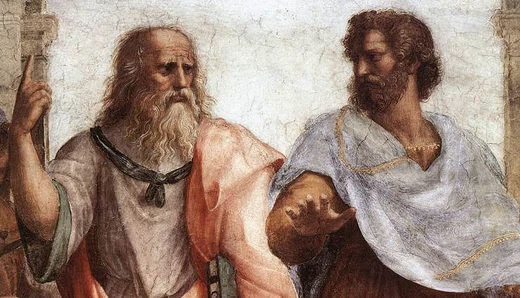
Montesquieu
French jurist, historian, and political philosopher.

He is the principal source of the theory of separation of powers, which is implemented in many constitutions throughout the world, and he is also known for popularizing the term despotism in the modern political lexicon.
- known_for
- Theory of separation of powers; popularizing the term despotism
Lore & Background
Montesquieu was born at the Château de la Brède in southwest France. His father was a soldier with a long noble ancestry, and his mother, who died when he was seven, was an heiress. The title of Barony of La Brède was already held by his father. He eventually withdrew from the practice of law to devote himself to study and writing.
Reader's Guide
Constitution. The theory of the separation of powers largely derives from this work, in which he divided French society into three classes—the monarchy, the aristocracy, and the commons—and argued that the executive, legislative, and judicial powers should be separate from and dependent upon each other. His political anthropology gave rise to his view that forms of government are supported by governing principles: virtue for republics, honor for monarchies, and fear for despotisms. Montesquieu is credited as among the progenitors of anthropology, being among the first to extend comparative methods of classification to political forms in human societies.
Did You Know?
- Montesquieu's family was Catholic, and though his wife was Protestant, he remained a practicing Catholic who criticized religious intolerance.
- He was initiated into Freemasonry at the Horn Tavern Lodge in Westminster during his stay in England.
Frequently Asked Questions
What is Montesquieu most famous for?
He is widely credited with developing the concept of dividing governmental authority into distinct branches, a structural framework now embedded in numerous national constitutions around the world.
What role did Montesquieu play in shaping political vocabulary?
He is recognized for bringing the word "despotism" into common modern political usage, giving scholars and citizens a shared term for discussing absolute, unchecked rule.
What was Montesquieu's professional background?
Before becoming a major voice in political philosophy, he trained and worked as a French jurist and also produced significant historical writing alongside his theoretical work.
Why do political science students still study Montesquieu?
His argument that dividing state power among separate institutions prevents tyranny remains a foundational idea in constitutional design, making his work a staple of political theory curricula worldwide.
More in Political Theorists And Social Scientists 25-30
Elsewhere in the Political Theorists And Social Scientists universe
Spotted an error? Know more?
This is a living reference — every entry is fact-audited, and reader corrections feed straight into our audit queue. Suggest an edit · See this site's audit record